Kiinan alumiinikaiteen valmistaja ja tehdas
Ammattimaisena Kiinan alumiinikaidevalmistajana Vionta suunnittelee ja valmistaa korkean suorituskyvyn alumiinikaidejärjestelmiä asuin-, moniperhe- ja kaupallisiin projekteihin maailmanlaajuisesti. Jos haluat parantaa kiinteistösi ulkonäköä samalla kun lisäät turvallisuutta ja yksityisyyttä, alumiinikaiteet ovat sinulle erinomainen valinta.
Alumiinikaide on suojakaidejärjestelmä, joka on valmistettu pääasiassa korkean lujan alumiiniseoksesta ja jota käytetään laajalti asuin-, liike- ja julkisissa rakennuksissa, kuten esim.portaat, parvekkeet, terassit, käytävät, pihan aidat, ja muissa paikoissa. Se tarjoaa kaiken takoraudan kauneuden ilman samoja huoltovaatimuksia, ja se voidaan silti räätälöidä vastaamaan esteettisiä tarpeitasi.
Nämä räätälöidyt kaiteet ovat suosittuja vaihtoehtoja, kuten pronssi- ja musta alumiiniaidan viimeistely, jotka sulautuvat saumattomasti ympäristöön ja antavat sinun valita kotisi muun ulkoilun ulkonäön kanssa. Halusitpa sitten nostaa kiinteistösi arvoa tai vain parantaa sen ulkonäköä, alumiiniset suojakaiteet ovat erinomainen valinta tarpeisiisi.
Saatavilla olevat tyylit
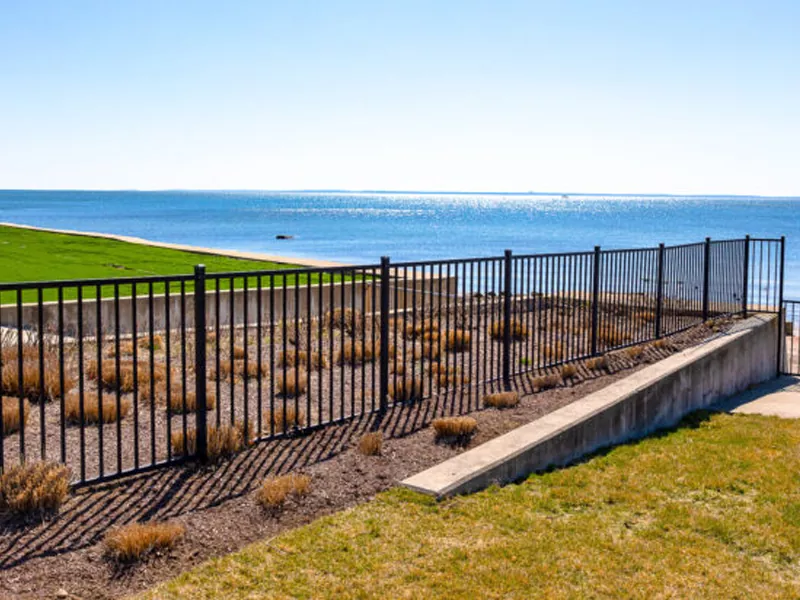
① Piketin alumiinikaide (pystykaide)
Perinteisiä turvatuotteita käytetään laajasti asuin- ja kouluympäristöissä.
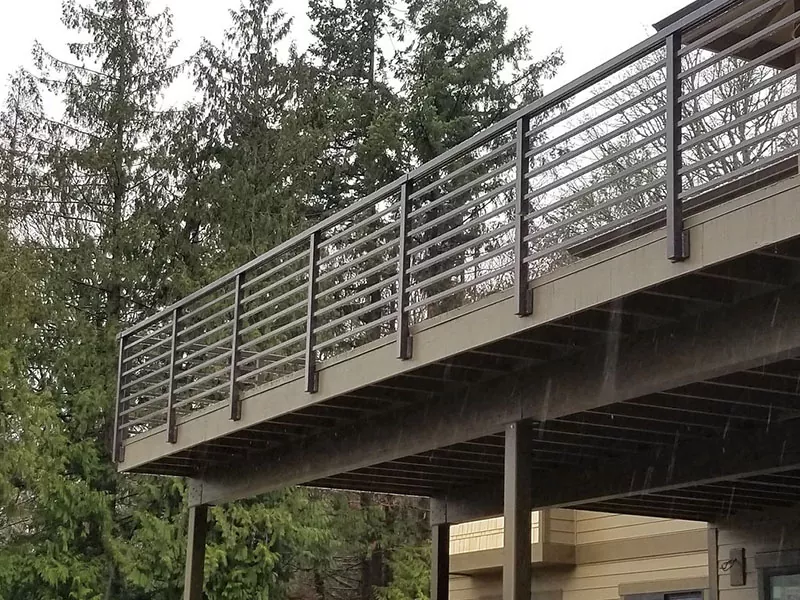
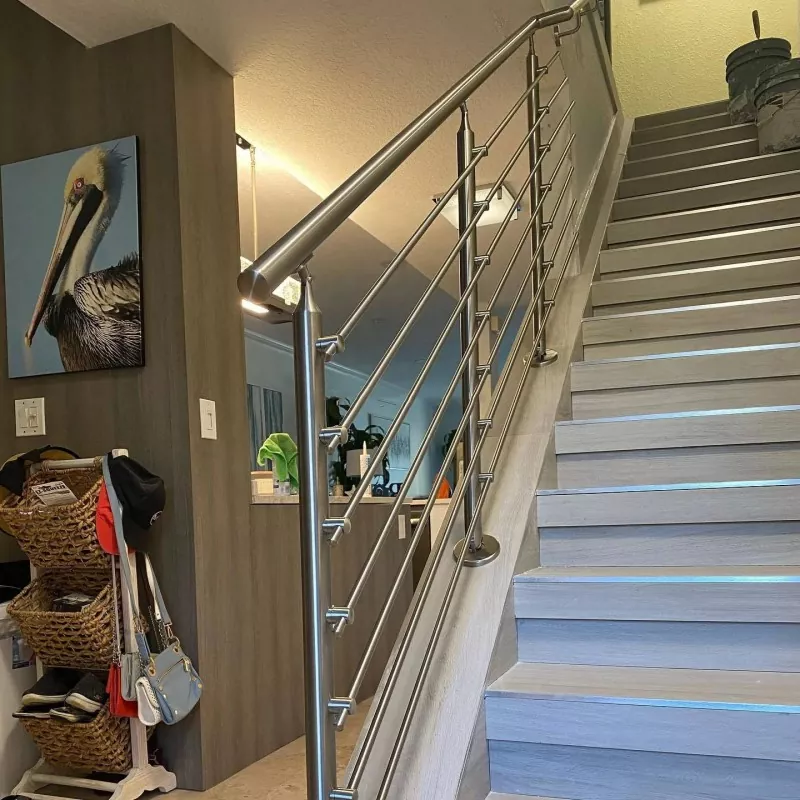
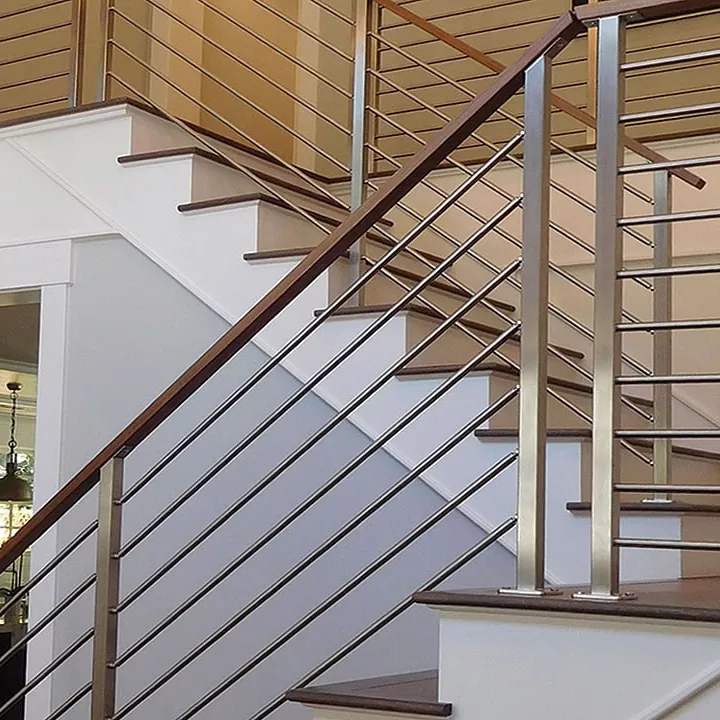
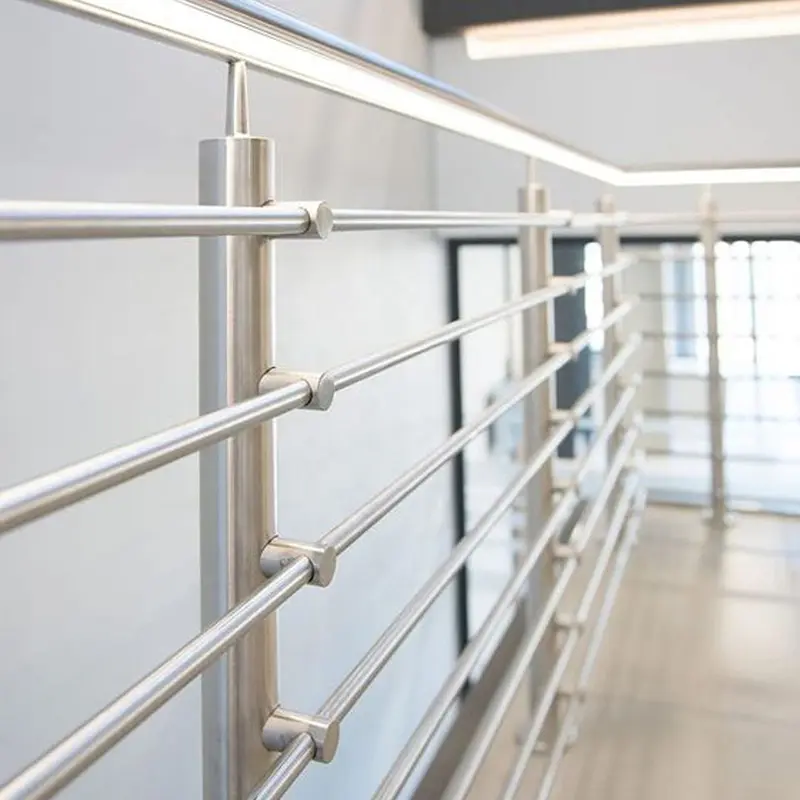
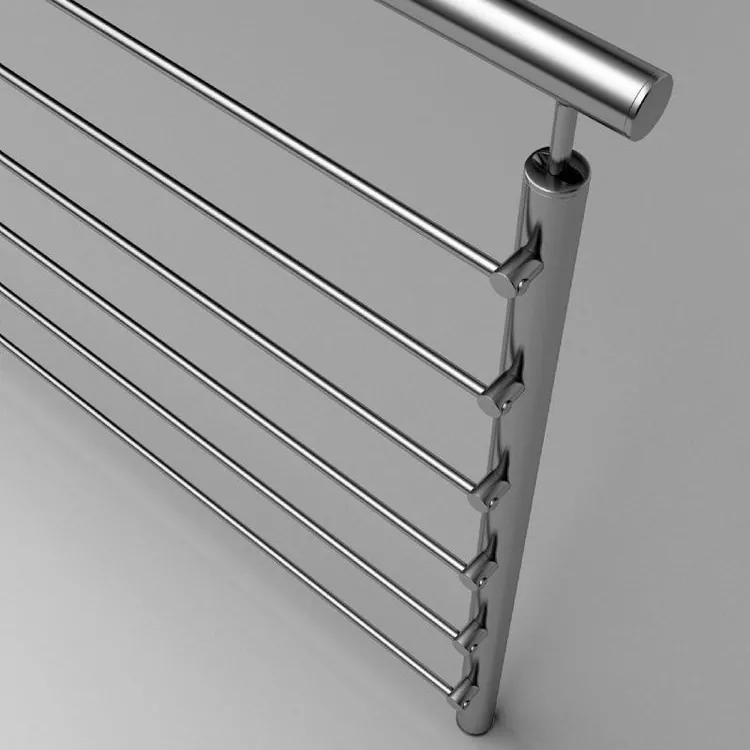
② Vaakasuuntainen alumiinikaide
Linjat ovat yksinkertaisia ja niitä käytetään yleisesti modernissa arkkitehtuurissa.
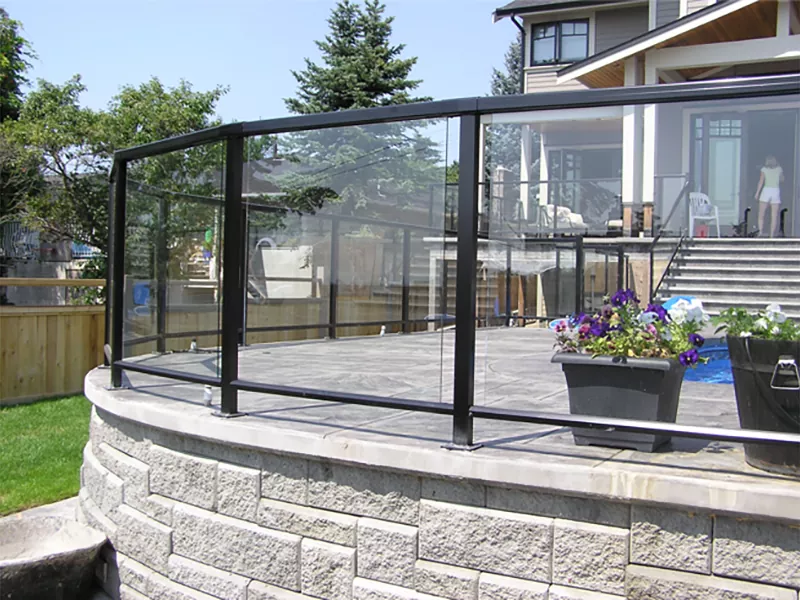
③ Lasinen alumiinikaide
Laajempi näkymä, mieluiten korkealuokkaisiin parvekkeisiin ja terasseihin.
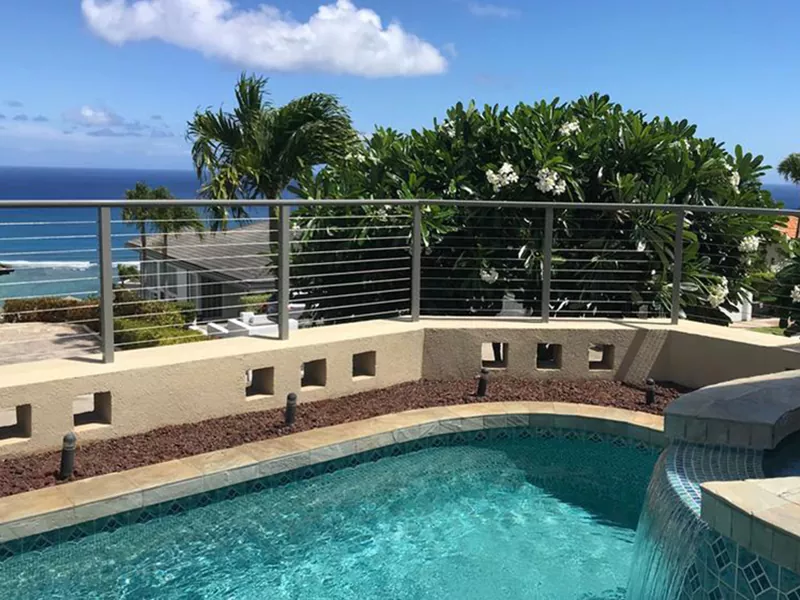
④ Kaapelikaiteet + alumiinirunko
Moderni ulkoilu on yleistä huippuluokan huviloissa ja liiketiloissa.
Luotettavana metallituotealan yrityksenä yli 20 vuoden kokemuksella Vionta keskittyy alumiinisten suojakaiteiden, ruostumattomasta teräksestä valmistettujen suojakaiteiden ja köysikaiteiden tuotantoon ja tutkimukseen ja kehittämiseen, jotka täyttävät kaikki suojakaiteen tarpeet.Ota yhteyttänyt saadaksesi lisää ideoita kauniista metallitiloista.
- View as
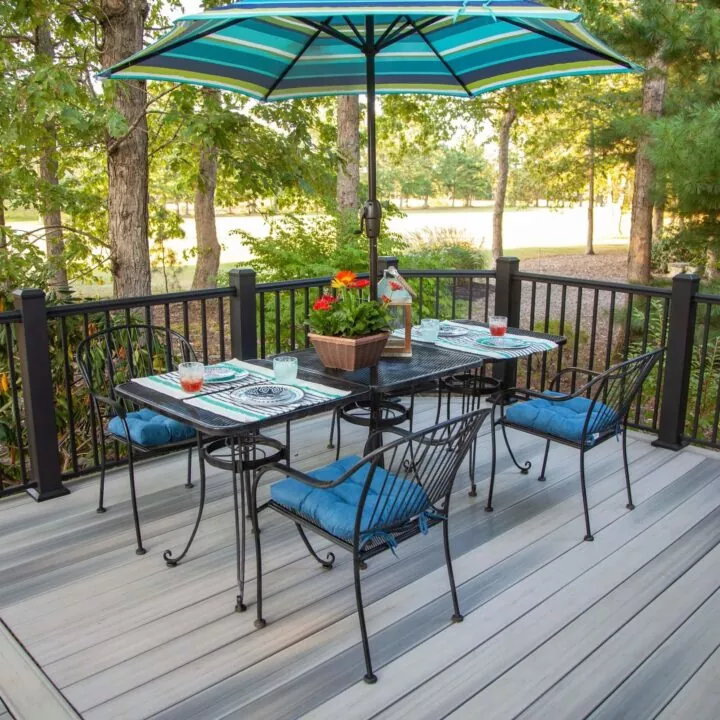
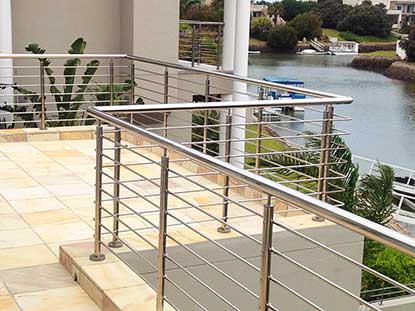
Alumiininen terassikaide
Alumiininen terassikaide on tällä hetkellä yksi laajimmin käytetyistä kaidejärjestelmistä ulkotiloissa maailmanlaajuisesti, ja se kattaa asuinterassit, kaupalliset parvekkeet, uima-altaat, maisemapolut ja erilaiset ulkotasoprojektit. Ammattimaisena tehtaana, joka on ollut syvästi mukana alumiinikaiteiden valmistuksessa Kiinassa yli 15 vuoden ajan, Vionta Metalilla on oma tuotantokanta, jossa on täydet ketjuominaisuudet, mukaan lukien alumiinin suulakepuristus, sähköstaattinen jauhemaalaus, tarkkuustyöstö ja yleinen kokoonpano.
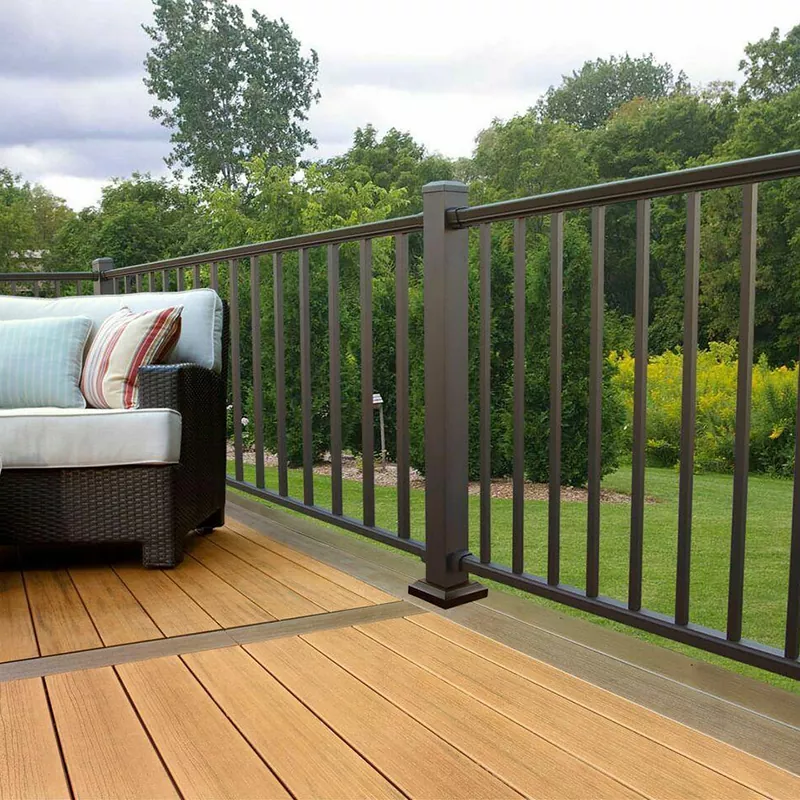
Alumiininen kannen kaide
Aluminium Deck Railing on alumiininen kaidejärjestelmä, joka on suunniteltu erityisesti ulkoparvekkeille, terasseille, patiotasoille ja asuinalueiden ulkotiloihin.
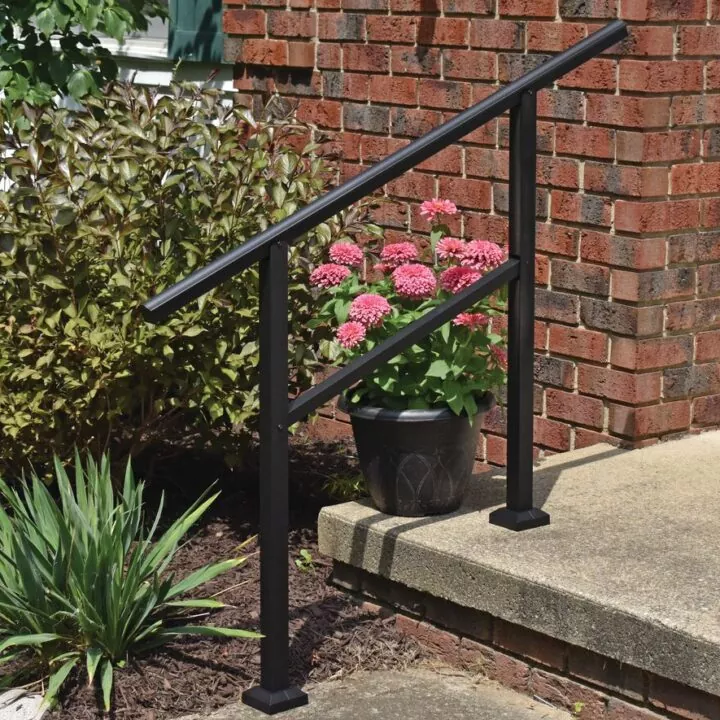
Alumiiniset portaat kaiteella
Olemme Vionta, huippuluokan alumiinirakennusmateriaalien tutkimukseen ja valmistukseen keskittynyt brändi. Vionta on vuosien varrella nähnyt liian monia portaiden turvallisuusongelmien aiheuttamia ongelmia, ja olemme hyvin tietoisia perinteisten rauta- tai puuportaiden väistämättömistä puutteista ulkoympäristöissä. Siksi olemme omistautuneet tämän Aluminium Stairs With Handrail -tuotteen luomiseen, jonka tavoitteena on tarjota käyttäjille yhden luukun suojakaiteen ratkaisu lopullisesti.
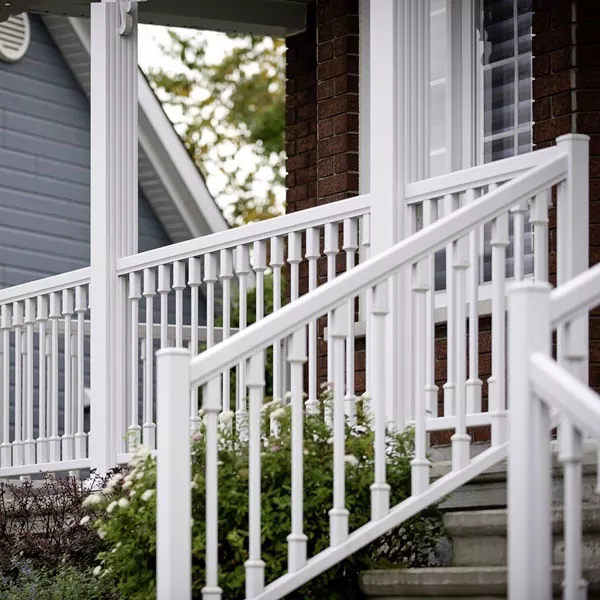
Alumiiniset kaiteet
Viontan alumiiniset kuistikaiteet on valmistettu 6005-T5-seoksesta, valittavissa jauhemaalattu tai anodisoitu pintakäsittely. Ne on suunniteltu asuin- ja kevyisiin kaupallisiin kuistiasennuksiin, ja ne toimitetaan pakattuna irtotavarana esiporatuilla pylväillä ja täydellä laitteistolla. Saatavilla mukautettuja pituuksia ja RAL-värejä; IRC/IBC-koodin mitat pyynnöstä.
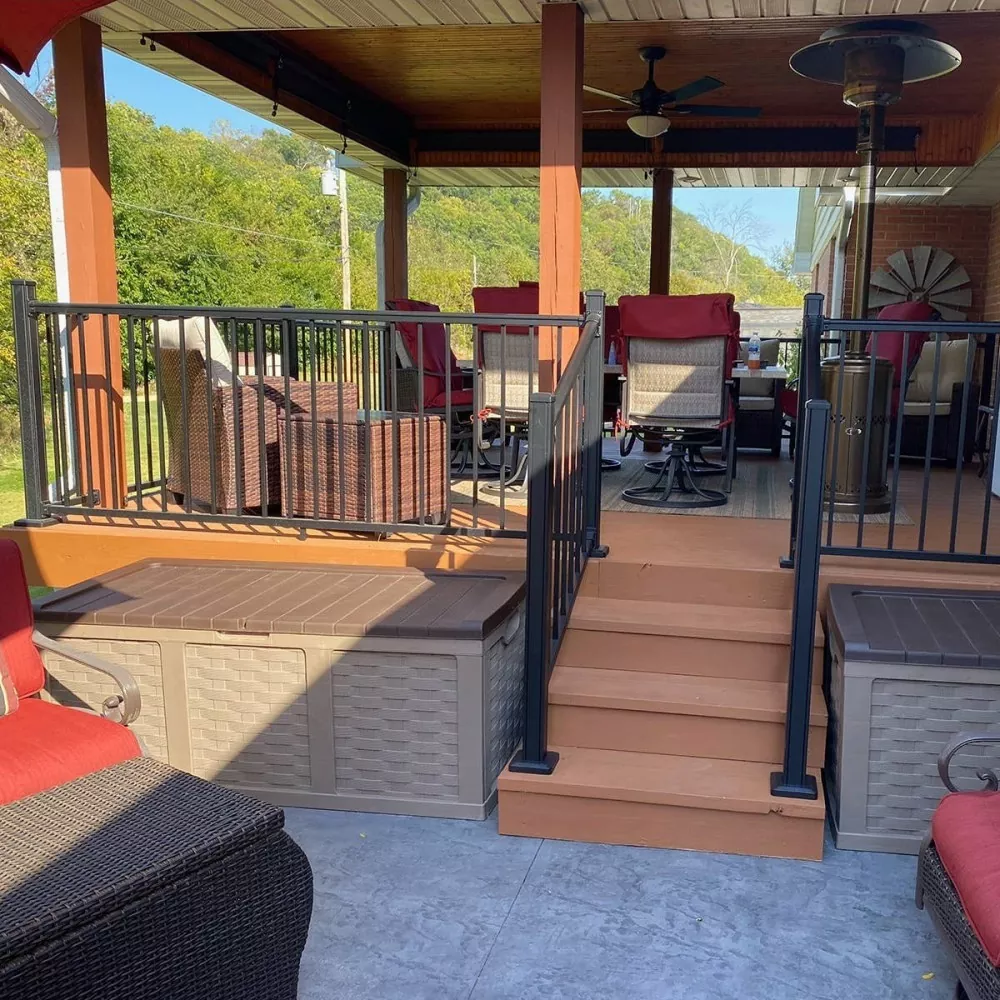
Alumiininen portaiden kaide ulkona
Alumiininen porraskaide ulkokäyttöön 6063-T5-seoksesta, jauhemaalattu tai anodisoitu pysyvää ulkokäyttöä varten. Pylväiden etäisyys 100–150 cm, kaiteen korkeus 900–1100 mm (säädettävissä IRC / IBC / EN / NCC vaatimusten mukaan). Täytevaihtoehdot: alumiinipihti, kaapeli tai karkaistu lasipaneeli. Pinta-asennus tai ydintäytteinen pylväsjalusta. Kaikki kiinnikkeet ruostumatonta terästä A2/A4. Saatavilla mukautetut RAL-värit, OEM-ekstruusio ja esileikattu pituus. Ota yhteyttä riley@viontametal.com saadaksesi B2B-hinnoittelun.
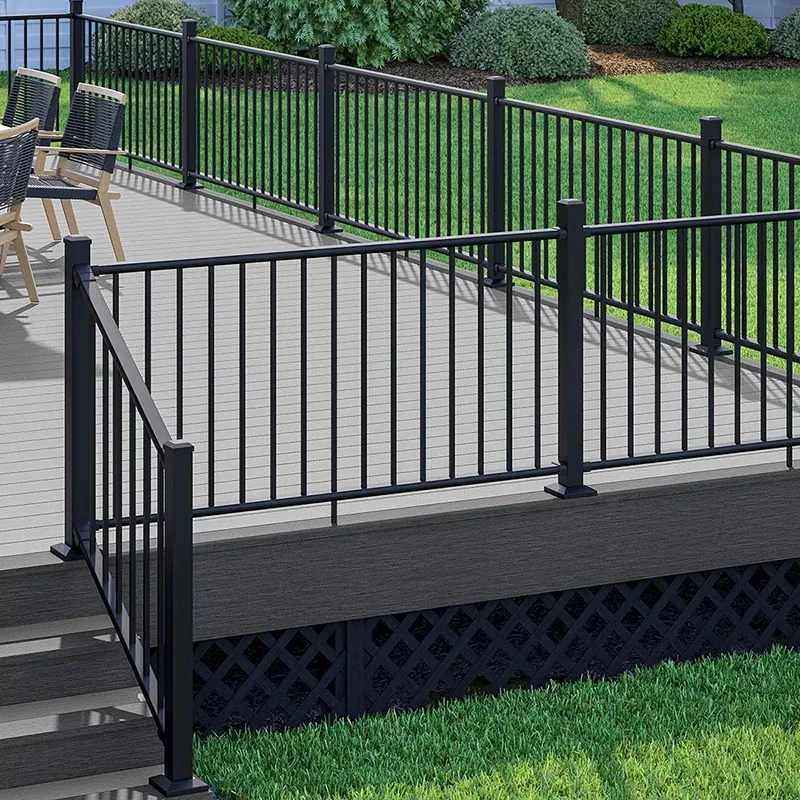
Alumiiniset kansikaiteet
Jos etsit vakaita ja esteettisesti miellyttäviä kaiteita terasseille, parvekkeille tai portaille, alumiiniset kansikaiteet ovat turvallisin ja nykyaikaisin valinta. Se on valmistettu erittäin lujasta 6063-T5-alumiinista, joka on kevyt mutta vahva jäykkyys, eikä se pelkää kosteutta, auringonvaloa tai lämpötilan muutoksia. Se on tällä hetkellä yksi suosituimmista suojakaiteen rakennekomponenteista Euroopan ja Amerikan markkinoilla.
Mikä on alumiinikaide?
Yleiskatsaus materiaalista, miten se on valmistettu ja miksi siitä on tullut yleisimmin käytetty kaidevaihtoehto sekä asuin- että liikeprojekteissa.
Alumiinikaide on rakenteellinen ja koristeellinen estejärjestelmä, joka on valmistettu suulakepuristetuista tai valmistetuista alumiiniseosprofiileista. Se asennetaan kansien, parvekkeiden, portaiden, kävelyteiden, uima-altaiden ja liikerakennusten reunoja pitkin suojaamaan putoamiselta ja määrittelemään tilaa.
Toisin kuin puu, alumiini ei mätäne, väänny tai vaadi vuosittaista maalausta. Toisin kuin takorauta, se ei ruostu. Alumiini on luonnostaan korroosionkestävää – pinta hapettuu muodostaen ohuen suojakerroksen, minkä vuoksi se kestää rannikko-, kosteissa ja uima-altaan ympäristöissä ilman erityiskäsittelyä.
Suurin osa nykyään myytävistä alumiinikaiteista on viimeistelty jauhemaalilla – kuivamaalauksella, jossa pigmentti sitoutuu metalliin lämmön vaikutuksesta luoden sitkeän, tasaisen pinnan. Tämä viimeistely lisää vuosikymmeniä UV- ja säänkestävyyden, ja sitä on saatavilla käytännössä kaikissa väreissä.
Alumiininen kaideon saatavana esiasennettuina paneelisarjoina, komponenttipohjaisina järjestelminä tai mittatilaustyönä valmistettuina profiileina. Rakennatpa sitten yksinkertaista terassia tai suurta kaupallista projektia, sille on suunniteltu alumiinikaidejärjestelmä.
Tärkeimmät materiaaliedut
- Luonnollisesti ruosteenkestävä ja korroosionkestävä
- Kevyt – noin 1/3 teräksen painosta
- Ei mätäne, halkeile tai halkeile kuten puu
- Jauhemaalaus kestää UV-haalistumisen ja sään vaikutuksen
- Erittäin vähän huoltoa - satunnainen pesu riittää
- 100 % kierrätettävää materiaalia
- Laaja valikoima profiileja ja tyylivaihtoehtoja
- Yhteensopiva lasin, kaapelin ja pikettien kanssa
Alumiinisten kaidejärjestelmien tyypit
Alumiinikaide kattaa laajan valikoiman järjestelmätyyppejä. Oikea valinta riippuu sovelluksestasi, vaaditusta korkeudesta ja haluamastasi ulkonäöstä. Vionta Metal Tarjoaa erilaisia kaiteita.
Alumiininen kannen kaide
Yleisin tyyppi. Suunniteltu asuinkanneille, patioille ja kuisteille. Myydään paneelisarjoina, joissa on yläkisko, alakisko ja piketit. Saatavilla jälkiasennus- tai kojelaudoitusvaihtoehtoja.
Alumiininen portaiden kaide
Rakennettu haravoivilla (kulmaisilla) osilla seuraamaan portaiden nousua. Vaatii säädettävät liittimet tai esikulmaiset liittimet. Portaikkojen koodi vaatii usein tarttuvaa yläkiskoprofiilia.
Alumiininen parvekkeen kaide
Käytetään asuin- ja liiketilojen parvekkeilla. Usein seinään kiinnitetty tai betoniin porattu poraus. IBC:n on täytettävä vähintään 42 tuuman korkeus, jos lattia on yli 30 tuumaa.
Alumiininen altaan kaide
Asennettu altaan reunojen, portaiden ja sisäänkäyntikohtien ympärille. Suositellaan merilaatuista jauhemaalausta tai anodisoitua viimeistelyä. Saatavana itsesulkeutuvia, itselukkiutuvia porttisarjoja koodin noudattamiseksi.
Kaupallinen alumiinikaide
Raskaampi seinämäpaksuus (0,100" tai enemmän). Käytetään julkisissa rakennuksissa, pysäköintirakenteissa ja kunnallisissa hankkeissa. On täytettävä ADA-kaiteen tarttuvuusstandardit ja korkeammat kuormitusvaatimukset.
Alumiininen lasikaide
Käyttää alumiinipylväitä ja kanavia karkaistujen lasipaneelien kiinnittämiseen. Maksimoi näkymät. Yleinen rantakannilla ja huippuluokan kaupallisissa projekteissa. Saatavana kehyksettömänä tai puolikehyksettömänä tyylinä.
Alumiininen kaapelikaide
Alumiinipylväät vaakasuuntaisilla ruostumattomalla teräskaapelilla täytteenä. Avara, ilmava ulkonäkö. Pylväiden etäisyyden on oltava 4 jalan sisällä, jotta kaapelit pysyvät kireinä ja koodin mukaisina ilman kumartumista.
Alumiininen seinään kiinnitettävä kaide
Yksi vaakasuora palkki, joka on kiinnitetty seinään kannattimilla. Käytetään portaissa, rampeissa ja käytävillä. Pyöreä tai soikea profiili ADA-tarttuvuuden takaamiseksi. Pikettejä tai postauksia ei tarvita.
Alumiinikaiteet vs. muut materiaalit
Alumiini verrattuna puuhun, teräkseen, vinyyliin ja komposiittiin ulkokaiteen kannalta tärkeimmillä tekijöillä.
| Tekijä | Alumiini | Puu | Teräs / Takorauta | Vinyyli / PVC | Komposiitti |
| Ruoste / korroosio | ✔Ei mitään | ✘Rots | ✘Ruosteet | ✔Ei mitään | ✔Minimaalinen |
| Huoltotaso | Erittäin alhainen | Korkea (vuosittain) | Keskitaso (maalaus) | Erittäin alhainen | Matala |
| Paino | Kevyt | Kohtalainen | Raskas | Kevyt | Kohtalainen |
| Rakenteellinen vahvuus | Korkea | Kohtalainen | Erittäin korkea | Kohtalainen | Kohtalainen |
| Suunnittelun joustavuus | Korkea | Korkea | Korkea (taottu) | Rajoitettu | Kohtalainen |
| Ennakkokustannukset | Kohtalainen | Matala – kohtalainen | Korkea | Matala | Keskitaso – korkea |
| Elinikä ulkona | 20-50 vuotta | 5-15 vuotta | 15-40 vuotta | 10-20 vuotta | 15-25 vuotta |
| Kierrätettävä | ✔100 % | ✔Kyllä | ✔Kyllä | ✘Vaikea | ✘Osittainen |
| DIY-ystävällinen | ✔Kyllä (sarjat) | ✔Kyllä | ✘Vaatii hitsauksen | ✔Kyllä | ✔Kyllä |
Alarivi:Alumiini tarjoaa parhaan kokonaistasapainon kestävyyden, suunnitteluvaihtoehtojen, asennuksen helppouden ja pitkän aikavälin kustannusten välillä. Se ylittää puun huollon, teräksen painon ja ruosteenkestävyyden sekä vinyylin lujuuden suhteen.
Missä alumiinikaidetta käytetään?
Alumiiniset kaiteet sopivat lähes kaikkiin sovelluksiin, jotka vaativat turvakaiteen, putoamissuojan tai helposti lähestyttävän kaiteen.
| Sovellus | Tyypillinen Tyyli | Vaadittu korkeus | Tärkeimmät huomiot |
| Asuinalue | Picket-paneelijärjestelmä | 36" (alle 30" pudotus) / 42" (yli 30") | Pylväiden väli, kaiteet max 4" vapaa aukko |
| Ulkoportaikko | Haravointipaneeli + kaide | 34"–38" pystysuunnassa portaiden kärjestä | Tartuttava yläkisko, jatkuva käynti vaaditaan |
| Parveke/terassi | Piketti tai lasitäyte | 42" (IBC-mainos); 36" (IRC-asunto) | Porapora tai pinta-asennuskiinnitys rakenteeseen |
| Pool Surround | Aitapaneelit + portti | 48" min (useimmat paikalliset koodit) | Itsesulkeutuva/salpautuva portti vaaditaan; kiipeämätön muotoilu |
| Liikerakennus | Raskas pylväsjärjestelmä | 42" (IBC-vaatimus) | ADA-yhteensopivuus, vaaditaan 200 lb:n pistekuormitus |
| Ramppi / esteetön sisäänkäynti | Seinään kiinnitettävä kaide | 34"–38" molemmilta puolilta vaaditaan | ADA tarttuva profiili 1,25"–2" OD, jatkeet päissä |
| Katto / kattoterassi | Pinta- tai kojelaudoitus | 42" min | Tuulikuorman laskeminen tarvitaan; tiivistä kaikki kannen läpiviennit |
| Marina / Waterfront | Anodisoitu tai merilaatuinen jauhemaali | Vaihtelee paikalliskoodin mukaan | Suolaveden kestävyys välttämätön; käytä ruostumatonta laitteistoa |
Kuinka asentaa alumiinikaide
Yleinen katsaus kannen kaidejärjestelmän asennusprosessiin, jossa käytetään esivalmistettuja paneelisarjoja. Noudata aina valmistajan ohjeita ja paikallisia rakennusmääräyksiä.
1
Suunnittele ulkoasu ja tarkista paikalliset koodit
Vahvista sovelluksellesi vaadittu kaiteen korkeus, pylväiden enimmäisetäisyys (yleensä 4–6 jalkaa keskellä) ja luvan tarve. Merkitse viestien sijainnit ennen kuin poraat mitään.
2
Valitse asennustapasi
Pinta-asennustolpat asettuvat kannen päälle ja kiinnittyvät kannen läpi. Fascia-asennustolpat kiinnitetään vanteen palkkiin puhtaamman ulkonäön saamiseksi. Betonille käytetään timanttiporakiinnitystä. Jokainen vaatii erilaisen postipohjalaitteiston.
3
Aseta ja tasoita pylväät
Aseta jokainen pylväs luotitason avulla ja kiinnitä oikeilla pylväsjalustalla. Käytä mallia pinta-asennuspulttikuvioihin. Kiristä pultit määritettyyn arvoon – liiallinen kiristäminen voi murtaa pylvään alustan.
4
Kokoa kiskopaneelit
Aseta piketit ylä- ja alakiskokanaviin enintään 4":n vapaalla etäisyydellä. Kiinnitä pistekiinnittimillä tai kiinnitysruuveilla. Esiasennetut paneelit ohittavat tämän vaiheen – sinun tarvitsee vain leikata ne pituuteen.
5
Asenna paneelit viestien väliin
Liu'uta tai napsauta paneelit pylvään kiinnikkeisiin. Tarkista yläkiskon vaaka. Käytä hienohampaista metallileikkausterää jiirisahassa paneelien puhtaaksi leikkaamiseksi. Poista kaikki leikatut reunat ennen asennusta.
6
Kiinnitä yläkisko- ja tolppakorkit
Kiinnitä yläkisko jokaiseen pylvääseen kiinnikkeillä tai kiinnitysruuveilla. Paina pylväiden korkit onttojen pylväiden yläosien päälle estääksesi veden pääsyn. Levitä silikonitiiviste pylväiden jalustan ympärille kannen pinnalla.
7
Lopputarkastus
Testaa kaikkien liitosten kireys. Tarkista kaiteen korkeus ja kaiteen etäisyys. Oikein asennetun alumiinikaiteen tulee kestää 200 paunaa sivuttaisvoima yläkiskossa ilman näkyvää liikettä.
Tarvittavat työkalut ja laitteistot
| Työkalu / esine | Tarkoitus |
| Pora-/iskukoneisto | Pylväiden jalustan ja paneelikiinnikkeiden kiinnitys |
| Jiirisaha (hienohampainen metalliterä) | Kiskopaneelien ja tolppien leikkaaminen pituuteen |
| Taso (4 jalkaa) | Varmista, että pylväät ovat pystysuorat ja kiskot vaakasuorassa |
| Mittanauha | Pylväiden etäisyyden ja paneelin pituuden mittaus |
| Kumivasara | Kiinnitä paneelit pylvään kannakkeisiin ilman vaurioita |
| Kiinnikkeet ruostumattomasta teräksestä | Estää galvaanisen korroosion alumiinilla |
| Silikonitiiviste | Tiivistepylväiden pohjat kannen pinnalla |
Huomautus:Käytä aina ruostumatonta terästä tai alumiinipinnoitettuja kiinnikkeitä. Hiiliteräsosat syöpyvät kosketuskohdassa (galvaaninen korroosio) ja värjäävät tai heikentävät liitosta ajan myötä.
Huolto ja pitkäaikainen hoito
Yksi alumiinikaiteen suurimmista myyntivalteista on se, kuinka vähän huoltoa se tarvitsee puuhun tai teräkseen verrattuna.
Säännöllinen puhdistus
Pese alumiinikaide 2–4 kertaa vuodessa miedolla saippualla ja lämpimällä vedellä. Pehmeä liina tai harja on kaikki mitä tarvitset. Huuhtele huolellisesti, varsinkin uima-altaiden, lannoitettujen nurmikoiden tai alueiden, joissa on tien suolaa.
Mitä Vältä
Älä käytä hankaavia pesuaineita, teräsharjoja tai vahvoja kemikaaleja, kuten valkaisuainetta tai limahappoa. Nämä naarmuttavat tai kuolevat jauhemaalin viimeistelyä. Käytä pinttyneille tahroille tarkoitukseen valmistettua alumiininpuhdistusainetta suositellulla laimennuksella.
Kiinnittimien tarkistus
Tarkasta pylväiden jalustat ja kiinnikkeet 2–3 vuoden välein tai suurten myrskyjen jälkeen. Kiristä löystyneet kiinnitysruuvit uudelleen. Vaihda laitteisto, jossa näkyy korroosiota. Pienet lastut tai naarmut jauhemaalissa voidaan täyttää valmistajan toimittamalla korjausmaalilla.
Huoltoaikataulu
- 3 kuukauden välein:Huuhtele vedellä, poista roskat
- 6 kuukauden välein:Täysi pesu miedolla saippualla
- 1-2 vuoden välein:Tarkasta pylväiden jalustat ja kiinnikkeet
- 3-5 vuoden välein:Tarkista rakenteen eheys kuormituksen alaisena
- Suurten myrskyjen jälkeen:Tarkista löystyneet paneelit, vääntyneet piketit
- Tarpeen mukaan:Korjaa viimeistelylastut sopivalla maalilla
Alumiinisten kaiteiden osto-opas
Mitä pitää ottaa huomioon ennen tilauksen tekemistä – tekijät, jotka erottavat laadukkaan tuotteen budjettituotteesta.
Seinän paksuus on tärkein ominaisuus
Ohutseinämäinen alumiinikaide (0,040"–0,050") on yleinen budjettituotelinjoissa, mutta ei sovellu rakenteellisiin sovelluksiin. Etsi vähintään 0,062" seinän paksuus asuinpylväissä ja 0,080"–0,100" kaupallisissa pylväissä. Paksummat seinät kestävät taivutusvoimia ja estävät pylväiden heilahtelun huomattavasti paremmin.
| Mitä tarkistaa | Miksi sillä on merkitystä | Mitä etsiä |
| Seoslaatu | Vaikuttaa lujuuteen ja korroosionkestävyyteen | 6063-T5 tai 6061-T6 ovat alan standardi; Vältä listaamattomia metalliseoksia |
| Seinän paksuus | Määrittää rakenteellisen jäykkyyden ja kantavuuden | Vähintään 0,062" asuinrakennus; 0,080+ kaupalliseen käyttöön |
| Powder Coat -laatu | Viimeistelyn kestävyys ulko-olosuhteissa | AAMA 2603 vähintään; AAMA 2604 tai 2605 rannikko- tai allasalueille |
| Kiinnitysmateriaali | Ruostumaton vs. sinkitty vaikuttaa pitkäaikaiseen eheyteen | Ruostumattomasta teräksestä valmistetut kiinnikkeet ja kannakkeet suosivat kaikkialla |
| Koodin noudattaminen | Vaaditaan lupia ja turvallisuustarkastuksia varten | Pyydä IBC/IRC-yhteensopivuusasiakirjoja tai testiraportteja |
| Järjestelmän tyyppi | Vaikuttaa asennuksen nopeuteen ja joustavuuteen | Paneelisarjat tee-se-itse-projekteihin; komponenttijärjestelmät mukautettuja kokoja varten |
| Takuu | Kuvaa valmistajan luottamusta tuotteeseen | 10–25 vuoden viimeistelytakuu on tyypillistä laatumerkeille |
Usein kysytyt kysymykset
Yleisiin kysymyksiin alumiinikaideista vastataan suoraan.
Kuinka kauan alumiinikaide kestää ulkona?
Laadukas alumiinikaide jauhemaalatulla viimeistelyllä kestää tyypillisesti 20–50 vuotta ulkona vähäisellä huollolla. Itse alumiini ei ruostu eikä mätäne. Puuterilakka on tärkein suojattava asia, ja useimmat hyvämaineiset merkit tarjoavat 10–25 vuoden viimeistelytakuun haalistumista, kuoriutumista tai liituutumista vastaan.
Pitääkö alumiinikaide maalata?
Ei. Alumiinikaide saapuu tehtaalta jauhemaalattuina. Sinun ei tarvitse maalata sitä asennuksen jälkeen. Jauhemaali on paljon kestävämpi kuin siveltimellä maalattu maali – se kiinnittyy metalliin kovettumisen aikana eikä kuoriudu samalla tavalla kuin maalatut pinnat.
Minkä korkeuden alumiinikaiteen tulee olla?
Yhdysvalloissa asuinaluekoodi (IRC) vaatii 36 tuumaa kansille, jotka ovat korkeintaan 30 tuumaa tason yläpuolella, ja 42 tuumaa korkeammille korkeuksille. Kaupallinen koodi (IBC) vaatii 42 tuumaa kauttaaltaan. Portaiden kaiteiden tulee olla 34–38 tuumaa pystysuunnassa portaiden kärjestä mitattuna. Vahvista aina paikallinen koodisi ennen tilaamista.
Voinko asentaa alumiinikaiteen itse?
Kyllä. Alumiiniset kaidepaneelisarjat on suunniteltu tee-se-itse-asennusta varten perustyökaluilla – poralla, jiirisahalla ja vaakasahalla. Suurin osa asuinrakennusten kansikaidejärjestelmistä voidaan asentaa yksi tai kaksi henkilöä yhdessä päivässä. Tärkeintä on noudattaa valmistajan ohjeita huolellisesti ja käyttää substraattiin sopivaa pylväsjalustaa.
Onko alumiinikaide riittävän vahva kaupalliseen käyttöön?
Kyllä, jos määrität oikean tuotteen. Kaupallinen alumiinikaide käyttää paksumpaa seinämän paksuutta, ja sen on täytettävä IBC-kuormitusvaatimukset – 200 lb:n pistekuorma yläkiskossa ja 50 lb per lineaarinen jaettu kuorma. Pyydä toimittajaltasi aina kaupallisten projektien rakennetestausdokumentaatiota.
Mitä eroa on alumiiniaidan ja alumiinikaiteen välillä?
Alumiiniaita on suunniteltu kiinteistöjen rajaamiseen matalammilla korkeuksilla, eikä sitä ole suunniteltu täyttämään rakennusmääräysten putoamissuojavaatimuksia. Alumiinikaide on erityisesti suunniteltu ja testattu täyttämään turvallisuusmääräykset, kestämään sivuttaista kuormitusta, ja sitä vaaditaan koodilla kaikkialla, missä putoamissuoja on pakollinen - kansilla, portailla, parvekkeilla ja vastaavilla alueilla.
Voidaanko alumiinikaidetta käyttää uima-altaan tai suolavesiympäristön lähellä?
Kyllä. Alumiini toimii hyvin märissä ja suolaisen veden ympäristöissä. Valitse uima-altaille ja rannikkoalueille anodisoitu pinta tai korkealaatuinen jauhemaali (AAMA 2604 tai 2605) ja käytä ruostumatonta terästä. Tämä yhdistelmä tarjoaa luotettavan suojan kemikaaleille ja suolalle altistumista vastaan.
Kuinka leikkaan alumiiniset kaidepaneelit?
Käytä jiirisahaa, jossa on hienohampainen ei-rautametallien leikkausterä (80-hampainen kovametalli tai vastaava). Leikkaa hitaasti, tasaisesti välttääksesi purseet. Rautasaha toimii myös pienempiin leikkauksiin. Poista kaikki leikatut reunat metalliviilalla ennen asennusta välttääksesi teräviä reunoja ja varmistaaksesi, että liitin sopii puhtaaseen.
Valmiina lähteeseenAlumiininen kaide?
Tarvitsetpa sitten pienen asuntotilauksen tai suuren kaupallisen toimituksen, Vionta Metal voi auttaa sinua saamaan oikean tuotteen oikeaan hintaan. Lähetä meille projektisi tiedot nopeaa tarjousta varten.
Nopeat toimitusajat · Saatavilla mukautettuja kokoja · OEM- ja tukkumyynti Tervetuloa · Vientipakkaus